
——— T H E M O M E N T U M B L O G ———
Move better. Hurt less. Stay in the game.
Education-first articles on pain, movement, and staying active — written by Dr. Cory and Dr. Amanda Sellers.

You Were Told Rotation Is Bad for Your Back. It's Not.
At a recent workshop, a woman told me her doctor said her golf swing was wrecking her spine. She hasn't golfed in two years. Her X-rays showed normal age-related changes, not damage. This one still bothers me.

You Can Have Perfect Form and Still Throw Your Back Out Picking Up a Pencil. Here's Why.

Sciatica Flare-Up? Here's Exactly What I'd Do (and What I'd Never Do)
That sharp pain shooting down your leg feels like an emergency, so the instinct is to rest, get scanned, or reach for medication. Here's exactly what I'd do instead if I had a bad sciatic flare-up tomorrow — and the 3 things I'd never do.

Pinhoti 100 Training Update: It Doesn't Have to Be a Perfect Week
My training log for the Pinhoti 100 doesn't look anything like my January plan. Between a new baby, running our practice, and just being tired, the "perfect" week never happens. Here's what I tell my patients when their rehab homework doesn't look perfect either — and why it still works.

Running Is a Single-Leg Sport — So Why Are You Only Training on Two?
Running is a single-leg sport, but most runners only train on two. Here's why single-leg stability and mobility are the missing foundation for staying injury-free and getting faster.
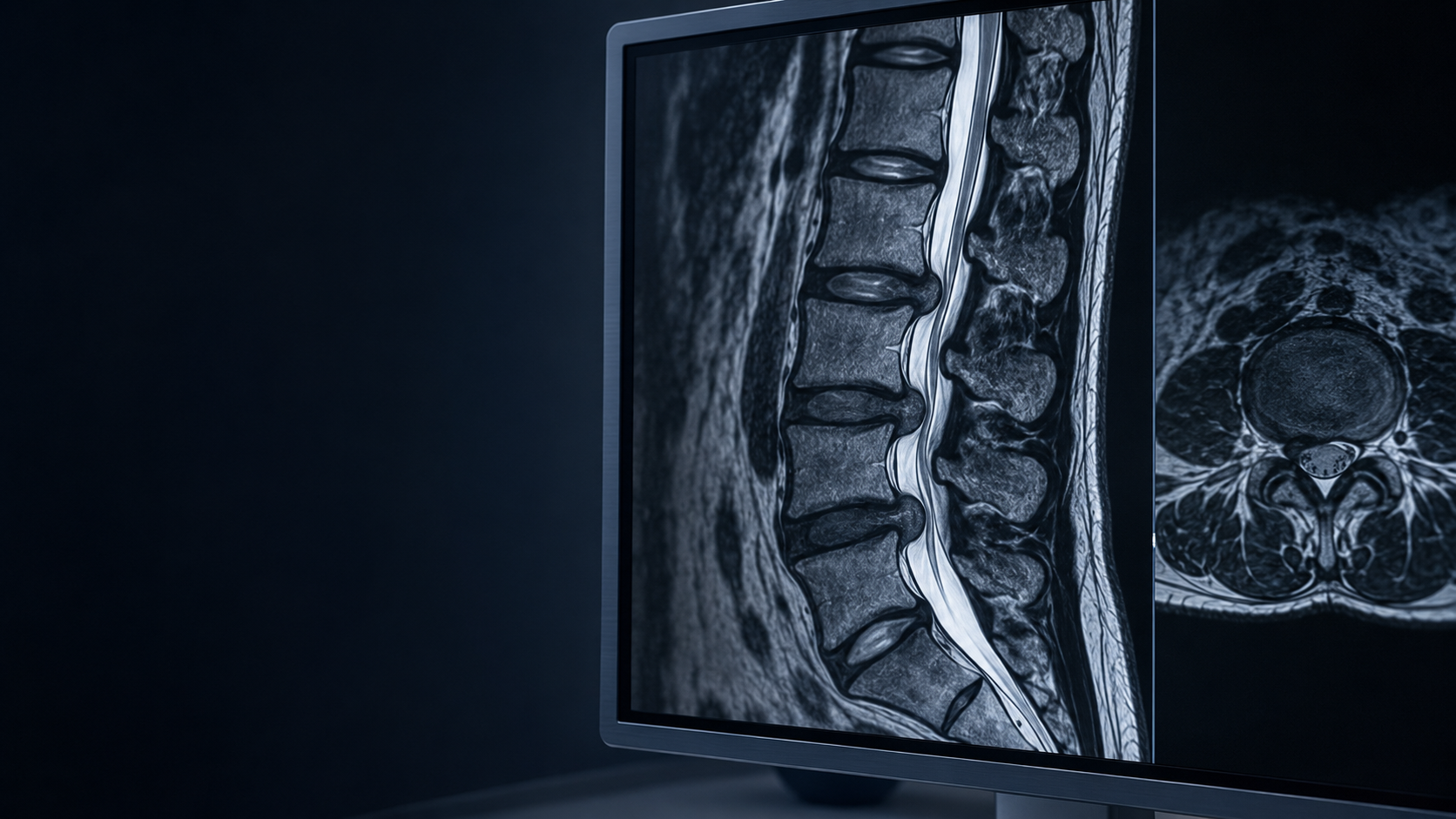
Your "Bad" MRI Might Be Good News: What the Research Says About Disc Herniations Healing on Their Own
A more severe disc herniation on your MRI might actually be more likely to heal on its own. Dr. Cory Sellers breaks down the research on spontaneous resorption and why imaging severity isn't the whole story.

Your Back Isn't "Out of Place." It Wasn't Ready for the Load.
Your back isn't out of alignment — it wasn't ready for the load. Dr. Cory Sellers explains why pain is a capacity problem, not a position problem, and why adjustments feel good but don't fix it.

Should You Run Through Pain? Here's How to Tell the Difference Between Discomfort and Damage
Running through pain and being told to stop are both guesses. Dr. Cory Sellers breaks down how runners can actually tell discomfort from damage — and why the real fix usually starts at the hip or ankle, not the knee.

Why I'm Running 100 Miles Again: My Pinhoti Training Journey
A few months ago, I signed up for the Pinhoti 100 — not for another belt buckle, but because I needed something hard. Here's why doing something that scares you might be the most honest form of accountability there is, and what it's taught me about the goals we set with patients too.

Why Your Plantar Fasciitis Keeps Coming Back (And It's Not Your Shoes)
Heel pain keeps coming back even after rolling, stretching, and new shoes? For most runners, plantar fasciitis isn't a foot problem — it's a hip, knee, and foot-strength problem. Here's why passive therapy only buys temporary relief, and what it actually takes to fix it for good.

Injections Can Reduce Pain, But They Don’t Teach Your Body How to Move
Jamie had 3 injections that helped temporarily, but the pain kept coming back when they wore off. Learn why pain relief is not the same as recovery, and why active adults need to address the root cause to build long term strength, mobility, and confidence.

Cookie Cutter Rehab Is Why So Many People Think PT Doesn’t Work
Cookie cutter rehab is one reason so many active adults think physical therapy does not work. Learn why personalized care, goal specific exercise, and a real plan matter for long term pain relief and recovery.

Stop Chasing Alignment. Start Building Strength.
Pain is not always a sign that your hips are off, one leg is longer, or your spine is out of place. Learn why active adults may need to stop chasing alignment and start building strength, mobility, and confidence.
Being Told “You Have Arthritis” Is Not a Life Sentence
Arthritis is real, but it is not the end of your story. Learn how active adults can manage pain, build strength, improve mobility, and stay active without letting a diagnosis define their future.
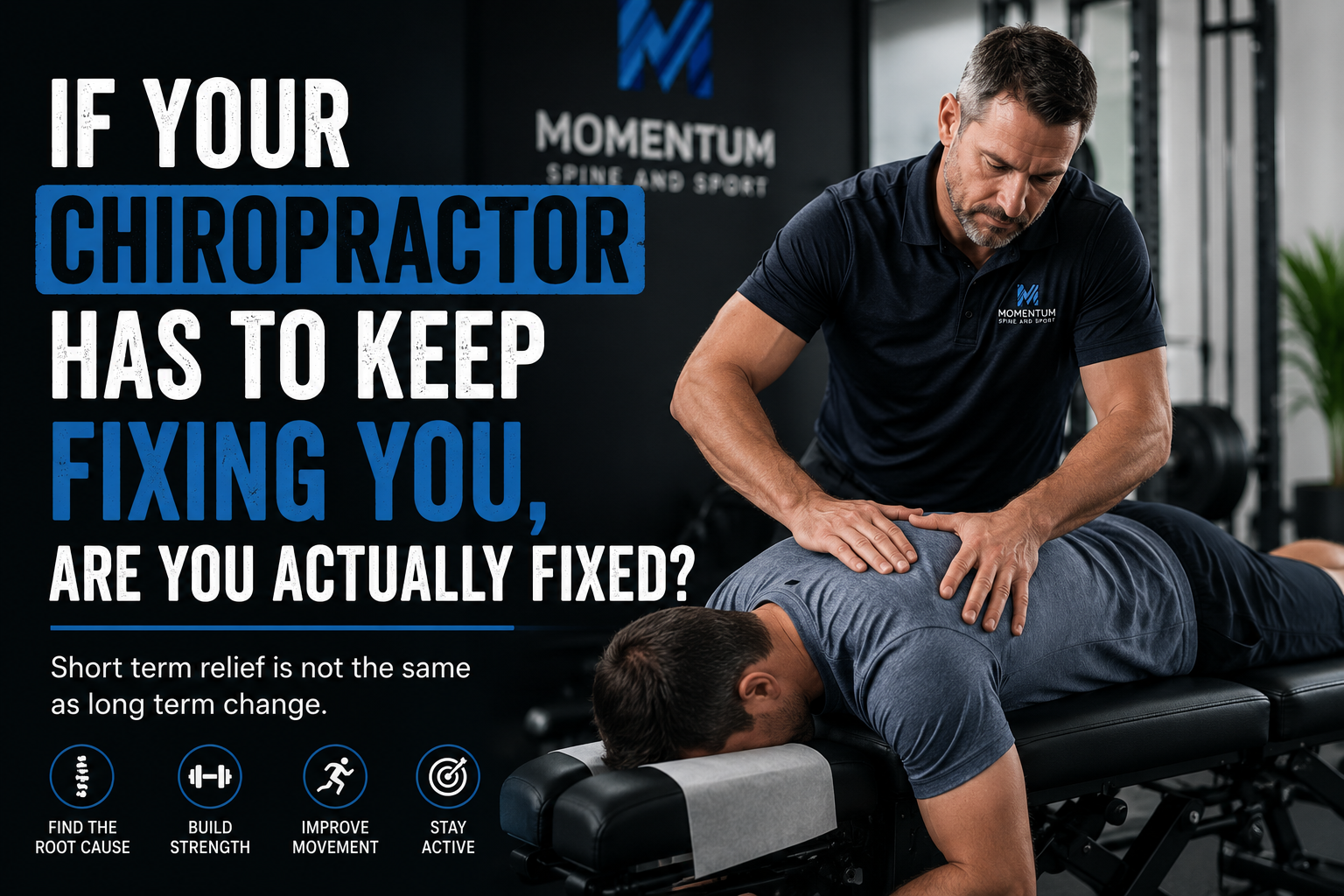
If Your Chiropractor Has to Keep Fixing You, Are You Actually Fixed?
If your pain keeps coming back after every adjustment, it may be time to ask whether you are truly fixed or just getting temporary relief. Learn why active adults need more than quick fixes to rebuild strength, mobility, and long term confidence.
Rest Is Not a Rehab Plan: Why Active Adults Need More Than “Just Take It Easy”
Rest can calm pain down, but it is not a long term rehab plan. Learn why active adults with back pain, sports injuries, or recurring pain need to rebuild strength, mobility, and confidence instead of avoiding movement forever.

Why We Don’t Offer Adjustment-Only Visits
Looking for more than a quick fix? Learn why we do not offer adjustment-only visits and how our approach focuses on function, long-term pain relief, and helping you get back to the activities you love.
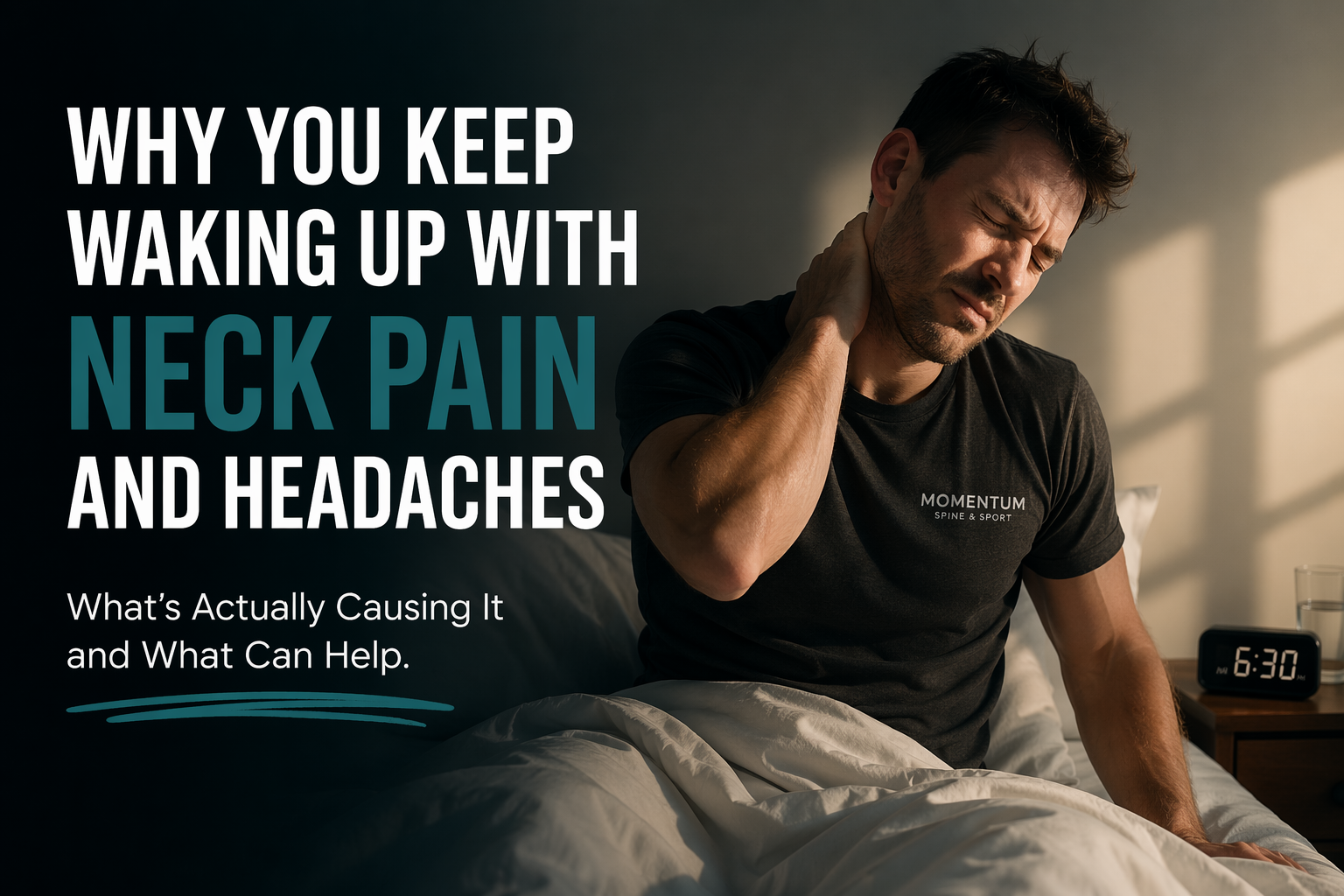
Why You Keep Waking Up With Neck Pain and Headaches
Waking up with neck pain and headaches is not always about sleeping wrong. This blog breaks down common causes of morning neck pain, why your pillow may not be the real issue, and what may actually help.

What Is TPI and Who Is It For?
TPI stands for Titleist Performance Institute, and it is built around one key idea: the way your body moves affects the way you swing the club. Here’s who it’s for and why it matters for golfers dealing with pain or stiffness.
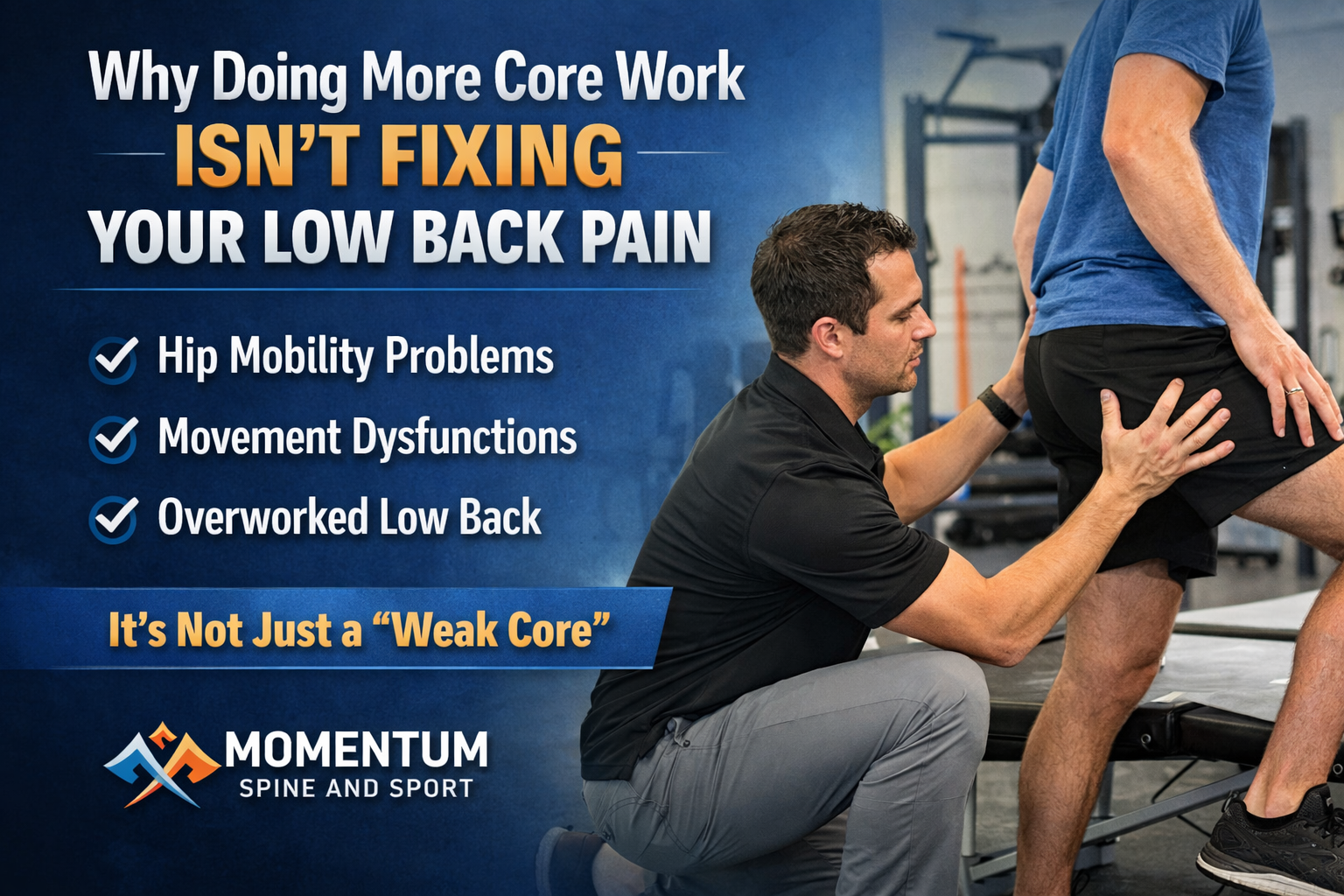
Why Doing More Core Work Isn’t Fixing Your Low Back Pain
Doing more planks and ab work but your low back still hurts? This blog explains why low back pain is often not just a weak core problem. At Momentum Spine and Sport, we look at the real drivers behind back pain like hip mobility, movement dysfunction, poor control, and compensation patterns so active adults can get lasting relief and get back to doing what they love.
Get new articles & a free guide
Join the Momentum list for practical tips on staying active — and we'll send you a free guide to start.